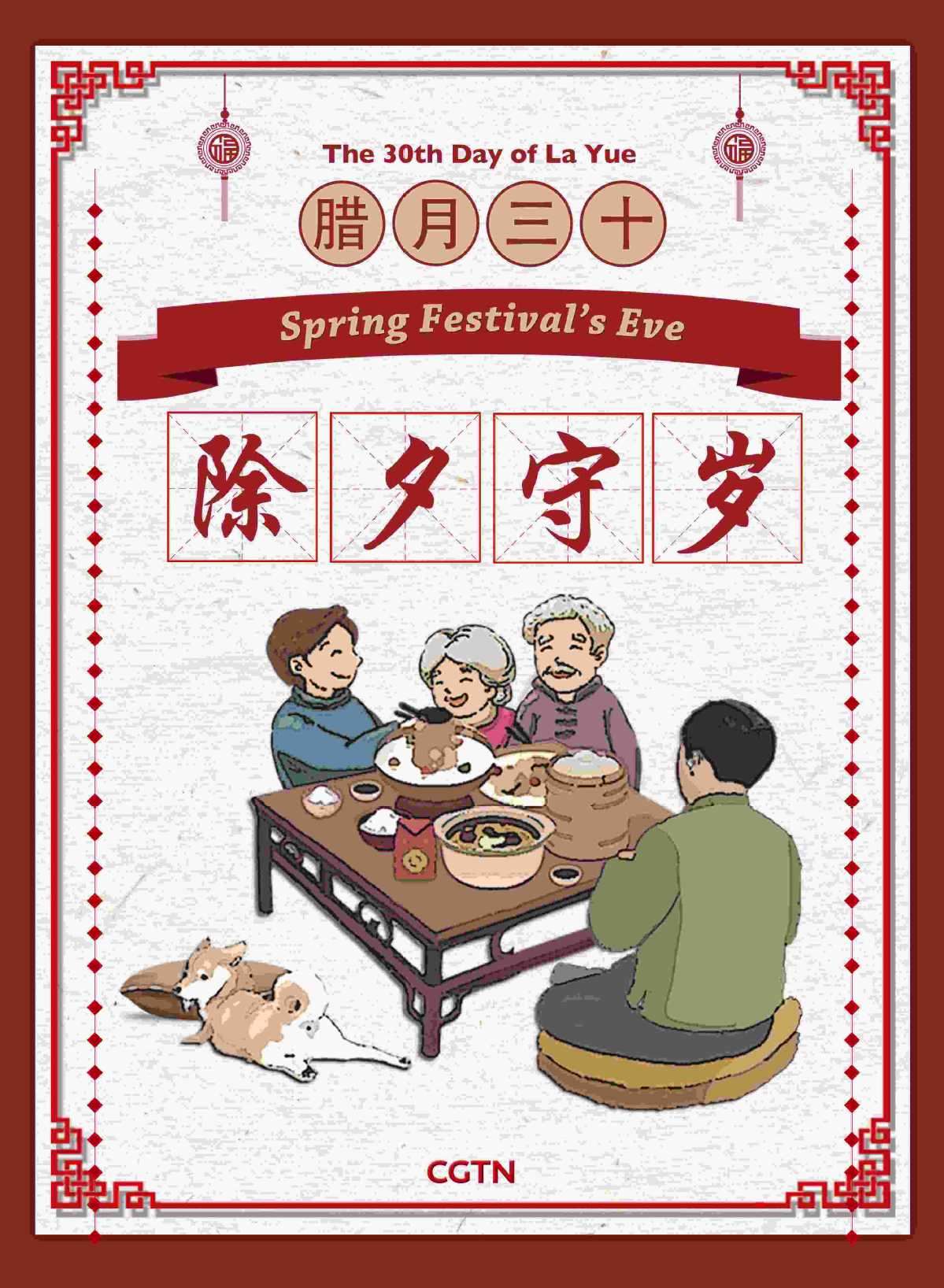
Staying Up Late On New Year's Eve
Introduction
The tradition of staying up late on Chinese New Year's Eve, known as "Shou Sui" in Chinese, is deeply rooted in Chinese cultural and historical practices. It symbolizes bidding farewell to the past year and welcoming the new one, reflecting themes of renewal, hope, and good fortune. The act of staying awake until midnight is believed to bring longevity and prosperity to the family in the coming year. This practice is especially important during the Spring Festival celebration, which involves a series of rituals and activities leading up to the Chinese New Year's Eve.
Historical Background
The tradition of staying up late on Chinese New Year's Eve has ancient origins in Chinese history. Various customs and rituals were established to celebrate the arrival of a new year in ancient China, many of which have been preserved and continue to be practiced today. The practice of staying awake throughout the night is believed to have originated as a means to ward off evil spirits and ensure a successful and prosperous new year.
Historically, the Spring Festival marked an important turning point in the agricultural calendar, representing the end of winter and the beginning of spring. It was a time for families to come together, reflect on the past year, and prepare for the upcoming planting season. Staying up late was seen as a way to honor the deities and ancestors, who were believed to have the power to influence the fortunes of the living.
Modern Practices
In contemporary China, the tradition of staying up late on Chinese New Year's Eve has adapted to include modern practices and technologies, reflecting the dynamic nature of Chinese society. One of the most popular modern practices is watching the CCTV Spring Festival Gala, a televised variety show that has become an integral part of Chinese New Year's Eve celebration for many Chinese families.
Conclusion
Staying up late on Chinese New Year's Eve is a cherished tradition deeply woven into the fabric of Chinese culture and the Spring Festival celebration. With its roots in ancient history, this practice symbolizes renewal, prosperity, and unity, reflecting the core values that define Chinese society. Through its associated customs and rituals, staying up late serves as a bridge between the past and present, connecting generations and fostering a sense of identity and continuity.
As Chinese society continues to evolve, the tradition of staying up late on Chinese New Year's Eve has adapted to include modern practices and technologies, enhancing its relevance and accessibility. Despite these changes, the fundamental themes of family, renewal, and hope remain at the heart of this celebration, making it a meaningful and enduring cultural practice.








